
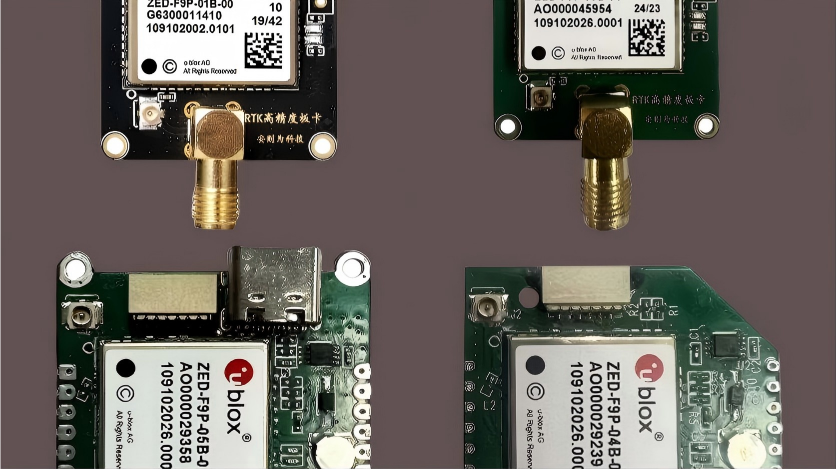
As GPS technology evolved, two module generations became especially popular in the FPV world: the u-blox M9N and the newer u-blox M10.
Both systems are highly capable. Both support modern satellite constellations and work well with popular flight firmware such as Betaflight, INAV, and ArduPilot. However, once pilots start comparing real-world performance, some important differences begin to appear. Understanding where M10 and M9N differ makes it much easier to choose the right GPS module for your FPV drone.
Why GPS Matters on an FPV Drone
Unlike camera drones, FPV drones are usually flown manually in Acro mode with very little automation. That leads many beginners to wonder why GPS matters at all.
The answer comes down to safety and situational awareness.
Modern GPS systems allow pilots to monitor distance from home, ground speed, direction, and altitude in real time. More importantly, GPS Rescue can automatically guide the drone back toward the pilot if signal loss occurs during flight. For long-range FPV pilots, that feature alone can prevent expensive drone losses.
GPS also helps after crashes. Instead of searching blindly through fields or forests, pilots can use the last recorded coordinates to narrow down the crash location.
As GPS modules became smaller, lighter, and easier to configure, they gradually shifted from optional accessories into standard equipment for many FPV builds.

Fig.1 GPS Modules
1. The Chips of M10 and M9N
The biggest difference between these modules lies in the chipset generation.
M9N modules are built around the older u-blox M9 platform, while M10 modules use the newer u-blox M10 architecture. Both perform the same basic task: receiving satellite signals and sending positioning data to the flight controller. However, the newer M10 platform introduced several improvements aimed at modern drone applications.
Compared to M9N, M10 modules generally offer faster satellite acquisition, lower power consumption, and more compact hardware designs. They are also optimized for tracking multiple satellite constellations more efficiently.
That does not mean M9N is outdated or unreliable. In fact, M9N earned a strong reputation over many years because of its stability and excellent compatibility across a wide range of drone platforms. Many experienced pilots still trust M9N systems heavily, especially for navigation-focused aircraft.
The comparison is less about one chipset being “good” and the other being “bad.” Instead, they simply prioritize different strengths.
2. Satellite Lock Speed
One of the first things pilots notice when switching from M9N to M10 is the difference in satellite lock speed.
M10 modules are widely known for acquiring satellites faster, especially after a cold start when the GPS has been powered off for a long time. In practice, this means less waiting before takeoff and quicker GPS Rescue readiness.
That matters more than many people expect. FPV pilots usually do not want to spend several minutes standing in a field waiting for enough satellites to appear before arming the drone. Faster initialization makes the entire flying experience feel smoother and more convenient.
This is one reason M10 modules became so popular on modern freestyle and lightweight long-range builds. Pilots who fly frequently or perform multiple battery swaps during sessions appreciate how quickly M10 modules reconnect and establish a stable home point.
M9N systems still perform well, but compared side-by-side, they often feel slightly slower during startup and satellite acquisition.
3. Accuracy Differences in Real-World Flying
Interestingly, M9N modules still hold a slight advantage in raw positioning accuracy on paper. In certain technical measurements, M9N systems can sometimes provide tighter positional precision than M10 modules.
However, in actual FPV flying, the difference is usually extremely small.
For normal applications like GPS Rescue, speed telemetry, distance tracking, and return-to-home functions, both systems perform very well. Most pilots will never notice a meaningful difference during regular flights.
The accuracy gap only becomes important in specialized applications such as mapping, industrial drones, surveying, or advanced autonomous waypoint missions where extremely precise positioning matters.
For freestyle and long-range FPV flying, both M10 and M9N provide more than enough accuracy for reliable performance.
4. Power Consumption and Efficiency
Power efficiency is another area where M10 improved significantly.
The newer chipset architecture consumes less energy while maintaining strong satellite tracking performance. Although GPS modules do not use a massive amount of power compared to motors or video transmitters, efficiency still matters on smaller FPV drones where every gram and every milliamp count.
Lower power consumption helps reduce battery drain slightly and can also improve thermal performance in compact builds where airflow is limited.
This advantage becomes especially useful on lightweight freestyle drones, sub-250g builds, and endurance-focused long-range quads where pilots carefully optimize every component for maximum efficiency.
Because of this, many manufacturers now design compact FPV-oriented GPS units specifically around the M10 platform.
5. Size and Weight Advantages
Modern M10 modules are often physically smaller and lighter than older M9N designs.
That may not sound important at first, but space becomes surprisingly limited on FPV drones. A typical quad already needs to fit a flight controller, ESC, receiver, video transmitter, HD camera, capacitor, antennas, and battery wiring inside a relatively compact frame.
Adding a bulky GPS module can quickly complicate mounting and cable management.
M10 modules are frequently optimized for smaller freestyle and long-range builds, making installation cleaner and easier. Their compact size also helps pilots maintain better weight distribution and cleaner antenna placement.
This is especially valuable on sub-250g drones where even small weight savings can significantly affect flight performance and legal compliance.
6. M9N Still Has One Major Advantage: Mature Compatibility
Despite the advantages of M10, M9N continues to remain highly respected for one major reason: mature compatibility.
Because M9N modules have existed longer, they are deeply integrated into older flight systems and autonomous platforms. Many advanced navigation setups were originally built around M9N hardware, and years of testing created a very stable ecosystem.
This is particularly common in ArduPilot and INAV aircraft, especially fixed-wing platforms and autonomous drones that rely heavily on waypoint navigation and position-hold functions.
For these users, long-term reliability and proven firmware support may matter more than faster startup speed.
That is why M9N modules still remain extremely popular among navigation-focused pilots even as M10 becomes increasingly dominant in standard FPV builds.

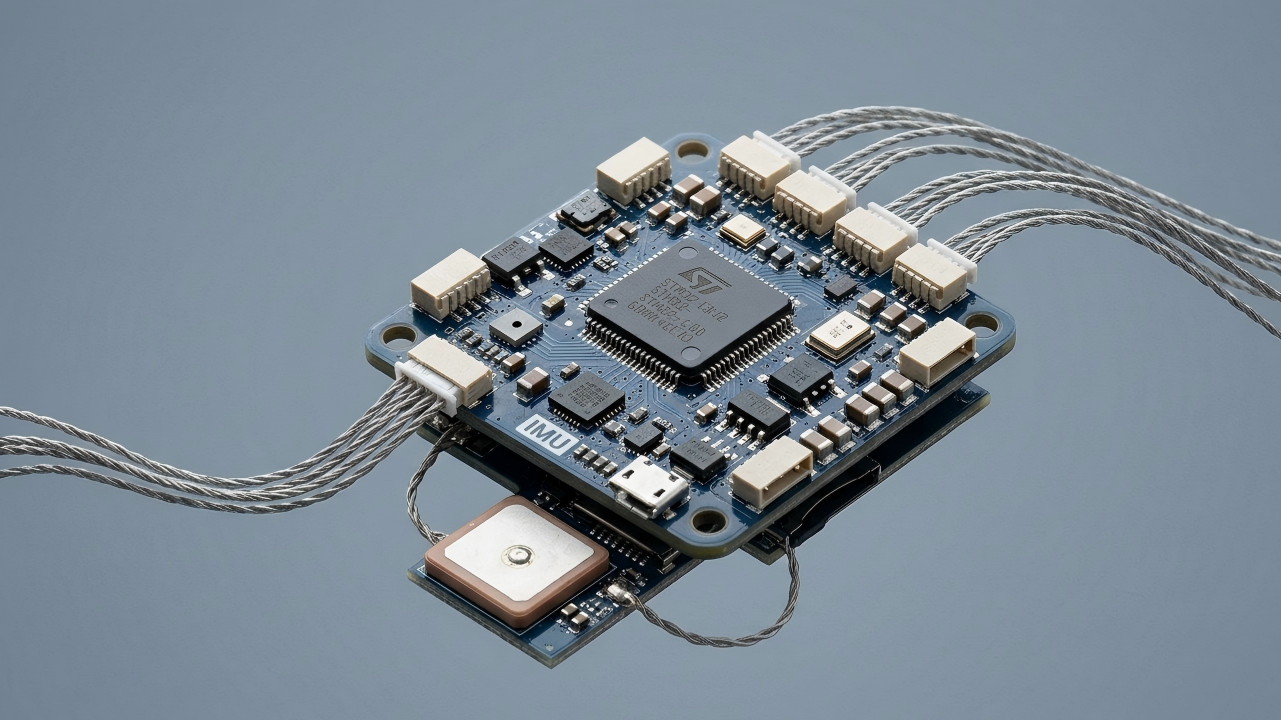
Fig. 2 M10 vs M9N
FAQs
Q1: Which Is Better for Betaflight GPS Rescue?
For most pilots using Betaflight, M10 is usually the better overall choice today.
Betaflight users primarily care about fast satellite acquisition, lightweight hardware, and reliable GPS Rescue activation. M10 modules perform extremely well in all of these areas, making them ideal for modern freestyle and long-range FPV drones.
Since GPS Rescue does not require ultra-precise positioning, the slightly faster lock speed and lower power consumption of M10 often matter more in practice.
Q2: Which Is Better for INAV and ArduPilot?
For navigation-heavy aircraft running INAV or ArduPilot, the answer becomes less straightforward.
M9N modules still maintain a strong reputation in autonomous systems because of their mature compatibility and long history of stable performance. Many Pixhawk users continue to trust M9N hardware for waypoint missions, cruise modes, and fixed-wing navigation.
M10 works very well too, but M9N still holds an advantage in ecosystem maturity and long-term testing across autonomous platforms.
Q3: Common GPS Problems Are Usually Installation Problems
Many pilots assume poor GPS performance automatically means the GPS module itself is defective. In reality, installation mistakes are far more common.
GPS modules are highly sensitive to interference from ESCs, VTX systems, motor wires, and battery leads. Poor mounting location, incorrect UART configuration, wiring errors, or carbon fiber obstruction can severely reduce satellite performance regardless of which chipset you use.
Even the best GPS module will struggle if it is mounted too close to a high-power video transmitter or buried underneath noisy electronics.
Proper installation often improves GPS performance more than changing from M9N to M10.
Q4: Are M10 Modules Replacing M9N Completely?
Not completely, although M10 is rapidly becoming the standard choice for many modern FPV builds.
Freestyle pilots, lightweight long-range pilots, and Betaflight users increasingly prefer M10 because of its faster startup times, lower power consumption, and compact size.
At the same time, M9N remains very popular in autonomous aircraft, Pixhawk systems, and navigation-focused platforms where mature firmware compatibility and long-term reliability are especially important.
Both systems remain highly capable and continue to coexist in the FPV community.
Final Thoughts
For most modern FPV pilots, M10 modules are usually the easiest recommendation. They are lightweight, efficient, quick to acquire satellites, and very well suited for modern freestyle and long-range drones.
M9N modules, however, still make excellent sense for pilots who prioritize mature firmware support, advanced navigation features, and long-established ecosystem stability.
Ultimately, the best GPS module depends on how you fly. If you mainly want fast GPS Rescue and easy everyday performance, M10 is probably the better fit. If you are building a more advanced navigation platform or value proven long-term compatibility above everything else, M9N remains an outstanding option.

Leave a comment
This site is protected by hCaptcha and the hCaptcha Privacy Policy and Terms of Service apply.