
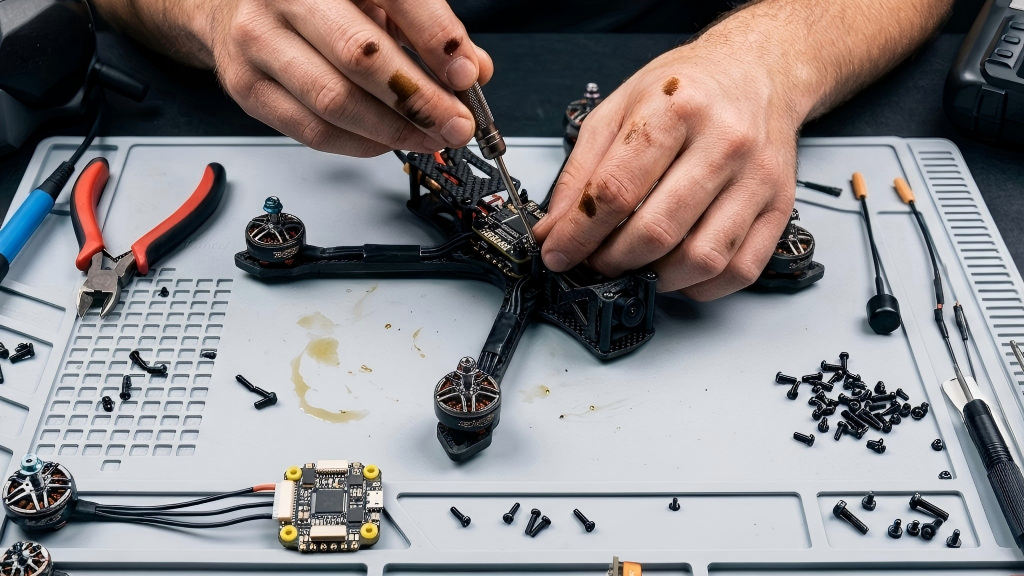
Are you looking for speed, agility, and precision, or do you want a drone that can survive crashes without worry? FPV drones generally fall into two categories: feather-light models designed for performance, and reinforced durable models built to handle tough conditions. Choosing the right type can completely change your flying experience. This guide will break down the advantages and trade-offs of each style so you can make an informed decision.

Fig. 1 Lightweight vs Durable FPV Drone
What Are Lightweight FPV Drones?
Lightweight FPV drones are designed for maximum speed and responsiveness. These drones typically weigh between 250 and 400 grams, often using minimal frames and compact electronics to reduce overall weight. The main appeal of lightweight drones is their agility—they can make sharp turns, climb quickly, and respond almost instantly to pilot input. This makes them ideal for racing, freestyle flying, and tight obstacle courses where every millisecond counts.
For example, a typical 5inch freestyle drone weighing around 350 grams with 2306 motors can accelerate from 0 to 60 km/h in under two seconds, giving pilots the ability to perform complex maneuvers in confined spaces. However, this lightweight design comes at the cost of durability. Thin carbon fiber frames, smaller propellers, and minimal protective elements mean that crashes, even minor ones, can damage components like the flight controller, motors, or camera.
Pilots who prioritize speed and maneuverability often invest time in learning precise control techniques and in developing strategies for minimizing crashes. Lightweight drones are also easier to transport and can be carried in small backpacks, which is convenient for traveling pilots attending races or exploring freestyle spots.
What Makes Durable FPV Drones Special?
Durable FPV drones are built to withstand crashes and harsh environments. Unlike lightweight drones, these models use thicker frames, reinforced arms, and larger propellers to absorb impact. Their total weight can range from 450 grams to over 700 grams, depending on the design and components. The extra weight generally slows acceleration and top speed, but it greatly increases resilience, making these drones ideal for beginners, cinematic flying, and freestyle practice where crashes are common.
For example, a 5inch durable freestyle drone with reinforced 4mm carbon fiber arms could survive 3meter drops onto concrete or asphalt without losing structural integrity. Components such as flight controllers and FPV cameras are often mounted with vibration dampening materials or enclosed in protective housings. Some durable models even include propeller guards or flexible TPU bumpers to further minimize damage.
Pilots who prioritize durability are often less concerned with winning races or achieving extreme aerial tricks and more focused on reliable flying, practice sessions, and filming content in unpredictable conditions. Durable drones reduce downtime for repairs and make it easier for pilots to experiment without fear of destroying expensive components.

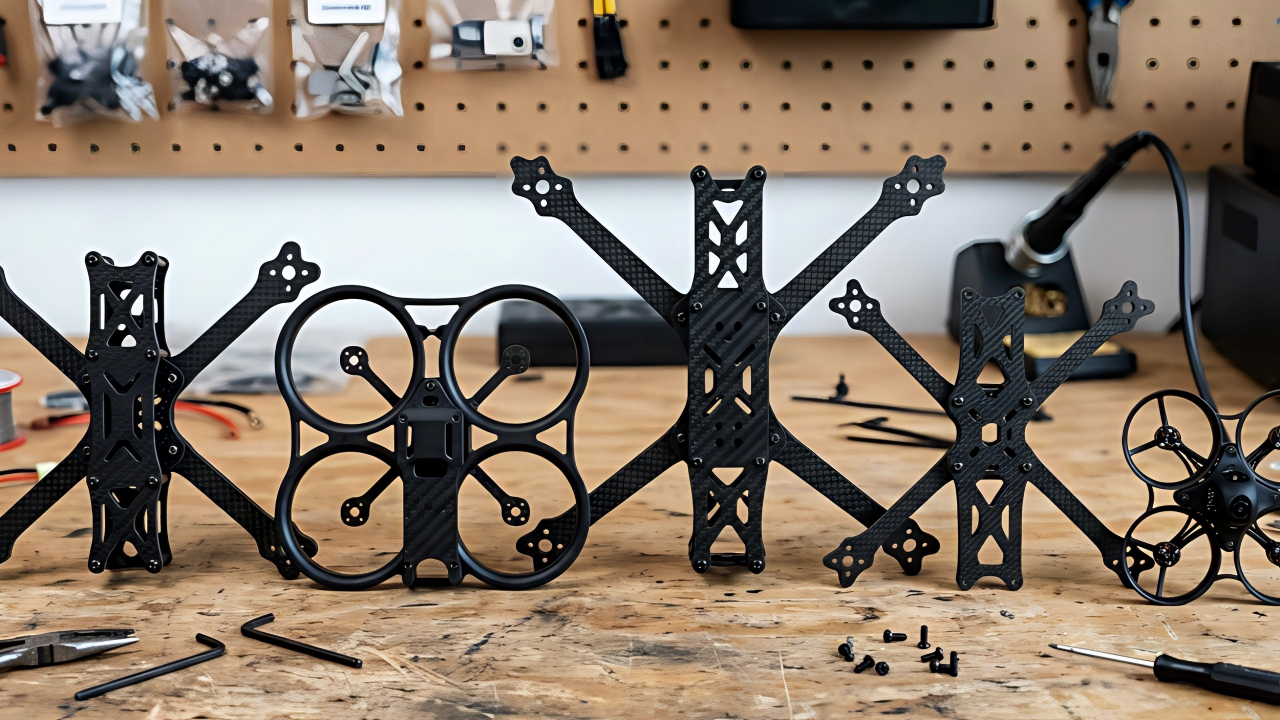
Fig. 2 Building Durable FPV Drone
Performance Considerations: Speed vs Stability
What sets these two models apart is the balance between speed and stability. Lightweight models provide higher maximum speed and agility, whereas durable ones provide more stability, especially in the face of wind. For example, while a lightweight 5-inch drone weighing 350 grams can reach speeds of up to 120 km/h, any wind gust will be enough to throw the vehicle off its path and make it difficult for the pilot to handle.
In comparison, a 650 gram durable model equipped with the same motors will only be capable of reaching speeds of up to 90 km/h. While its speed and agility will not match those of a lightweight model, it won't be as affected by external wind factors, making its handling significantly safer.
Cost Implications: Building and Maintenance
Lightweight vs. durable FPV aircraft are not only different in terms of performance and features but also differ in price. Lightweight FPV aircraft utilize premium hardware, such as 2306 or 2207 motors, high-KV ESCs, as well as no frame protection at all. These parts can be very pricey when you need to buy replacements in case of crashes; therefore, maintenance costs can increase drastically if you have a tendency to crash your drones.
Durable FPV drones have fewer chances to suffer from damage due to using less powerful motors or reinforced construction. Although the initial purchasing costs can be higher because of using a strong frame and other protective parts, maintenance costs can be lower in the long run..
Practical Scenarios: Choosing the Right Drone
Choosing between lightweight and durable FPV drones depends on your flying goals:
- Racing and Performance Flying: A lightweight drone is ideal due to its speed and agility, allowing pilots to navigate tight courses and perform advanced maneuvers.
- Freestyle Tricks and Cinematic Shots: Durable drones offer peace of mind during flips, dives, and obstacle maneuvers, reducing repair costs and allowing pilots to focus on creativity.
- Beginners Learning FPV: Durable drones reduce frustration and financial risk, letting beginners build skills and confidence safely.
- Outdoor Flying in Windy Conditions: Durable drones handle wind and turbulence better, providing stable control in challenging environments.
- Many pilots eventually use a hybrid approach, choosing lightweight drones for controlled environments and competitive flying, while keeping durable drones for practice, experimentation, and unpredictable locations.
Quick Comparison: Lightweight vs Durable FPV Drones
|
Feature |
Lightweight FPV Drones |
Durable FPV Drones |
|
Weight |
250–400 grams |
450–700+ grams |
|
Speed & Agility |
Very high; responsive, fast climbs, sharp turns |
Moderate; slower acceleration and turning, momentum carries |
|
Durability |
Lower; prone to damage in high-speed crashes, but can bounce off minor obstacles |
High; reinforced frames, arms, and protective elements absorb impact |
|
Wind Handling |
Sensitive to gusts; requires skilled control |
Stable; handles wind and turbulence better |
|
Transport & Convenience |
Easy to carry in backpacks; ideal for travel |
Bulkier and heavier; less convenient for transport |
|
Cost & Maintenance |
Lower initial frame cost but higher repair costs if crashes are frequent |
Higher upfront cost, but lower long-term maintenance costs |
|
Camera & Payload |
Limited to small cameras or internal VTX recording; cannot carry full-size GoPro |
Can carry heavier cameras and additional payloads like LiDAR or gimbals |
|
Best Use Cases |
Racing, advanced freestyle, tight courses, travel-friendly flying |
Beginners, freestyle practice, cinematic filming, outdoor and high-risk environments |
How to Choose the Right FPV Drone
Choosing the right FPV drone requires considering your flying goals, skill level, and the environments where you plan to fly.
- Lightweight drones are best suited for pilots who prioritize speed and agility, such as those interested in racing or advanced freestyle maneuvers.
- Durable drones, on the other hand, are ideal for beginners, practice flights, or high-risk tricks because they can withstand crashes and reduce repair costs.
- For newcomers, starting with a durable drone allows you to safely build control skills and spatial awareness.
- Experienced pilots can switch between high-performance lightweight drones and sturdy durable models depending on the situation and flight style. Therefore, every flight is both thrilling and sustainable.

Leave a comment
This site is protected by hCaptcha and the hCaptcha Privacy Policy and Terms of Service apply.