
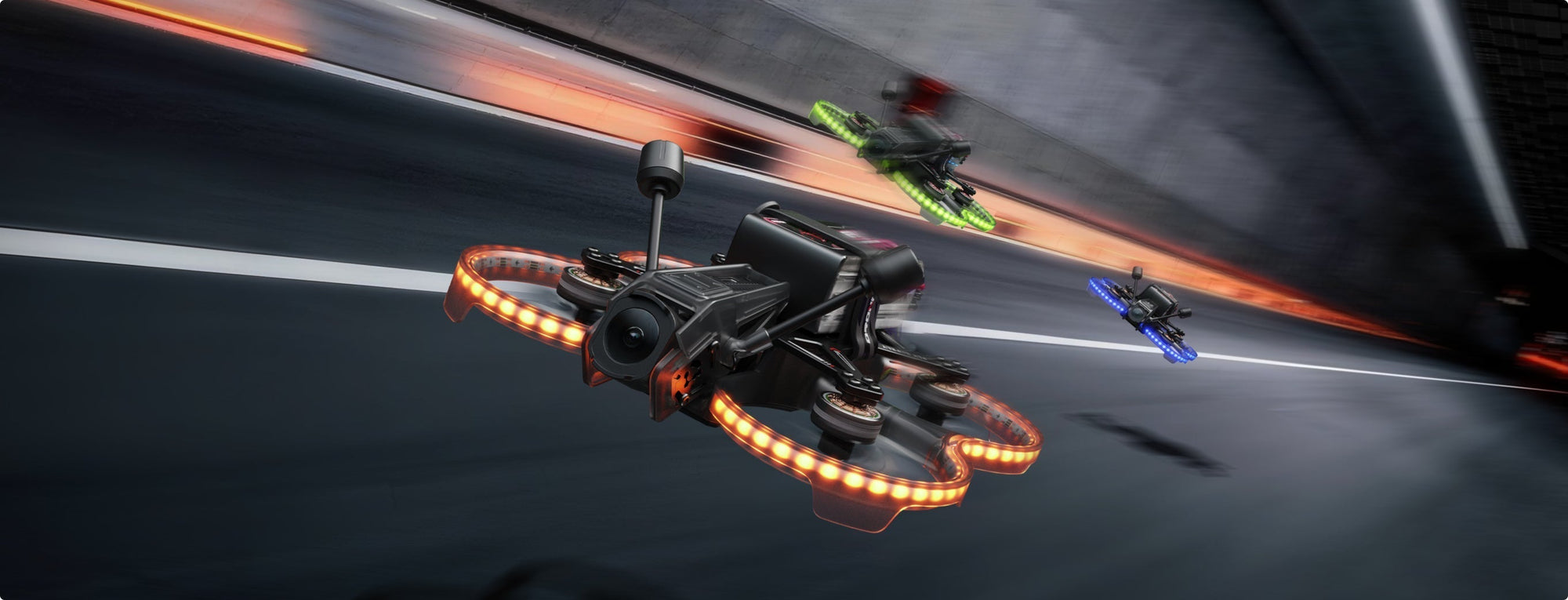
Featured Summary
Choosing the right cinewhoop is about more than picking a popular brand or the lowest price. The best model should combine safety, stable flight performance, high-quality video capabilities, durability, and upgrade potential to match your flying goals.
- Propeller Guards: Essential for safer indoor flying and protecting both the drone and nearby objects.
- Camera System: Look for compatibility with DJI O4, Walksnail, or HDZero for crisp, low-latency FPV video.
- Motors & Frame: Efficient motors and a lightweight carbon fiber frame improve stability, agility, and flight time.
- Battery & Flight Time: A balanced power system can deliver 4–8 minutes of reliable cinematic flying.
- Upgradeability: Modular components make future camera, receiver, and VTX upgrades easier and more cost-effective.
- Recommended Models: Popular choices include the GEPRC Cinebot 35, Droneer C2501, SpeedyBee Bee25, and BetaFPV Pavo20 Pro II, each designed for different flying styles and experience levels.
“Cinewhoop”—when you search for this term on Google, the results are all related to FPV drones. That’s right, a cinewhoop is a type of FPV drone. So, as an FPV pilot, how should you choose a cinewhoop drone? What are the characteristics of a good cinewhoop? Let’s take a look!
What Does Cinewhoop Mean?
"Cinewhoop" is a term that combines "Cinematic" and "Whoop." It describes a type of FPV drone that utilizes the ducted propeller design of Tinywhoops but in a larger, more powerful format. The ducts improve safety and durability while still allowing for nimble, cinematic flight in tighter environments.
The Cinewhoop is an excellent micro FPV drone, ideal for shooting professional-quality commercials, real estate videos, and cinematic footage. Thanks to its propeller guards, it can fly relatively safely around people and indoors, and is also well-suited for teaching beginners how to fly FPV drones.
How a Cinewhoop Differs from Traditional FPV Drones
Compared to traditional FPV drones, Cinewhoop drones typically differ in the following ways:
1. Smaller FPV drone dimensions
Cinewhoop drones are smaller than traditional FPV drones. The largest Cinewhoop FPV drones commonly available on the market are 3.5 inches, though other sizes—such as 2 inches and 2.5 inches—are also available. Their compact size makes them easier to control, allowing for effortless flight both indoors and in tight outdoor spaces.
2. Equipped with a propeller guard
The propellers on Cinewhoop FPV drones are all covered with protective guards, something that traditional FPV drones cannot achieve. This feature makes Cinewhoop drones safer for indoor flight, both for people nearby and for the drones’ own propellers.

Fig.1 Droneer C2501 Protect Guards
3. Stable cinematic flight
Unlike racing drones, which prioritize speed, Cinewhoop FPV drones focus on flight stability and smoothness. These characteristics allow them to easily handle filming tasks and ensure high-quality footage even when flying in tight indoor spaces.
4. Lower speed but greater control
Cinewhoop drones tend to fly at lower speeds than traditional FPV drones. However, because of their compact size and lower speed, they are easier to control and better suited for beginners to practice with.
Who Should Buy a Cinewhoop?
Cinewhoops are typically compact, stable in flight, and safer, and they can capture cinematic-quality footage, making them particularly well-suited for the following groups:
- Beginners
- Content creators
- Real estate videographers
- Event filmmakers
- FPV hobbyists
Why Choosing the Right Features Matters
The best cinewhoop isn't necessarily the most expensive—it's the one with features that match your flying style and needs. Understanding what each feature does will help you choose a drone that delivers better performance, captures smoother footage, and provides a more enjoyable flying experience.
Better Flight Performance: Features like efficient motors, a well-tuned flight controller, and a lightweight frame contribute to smoother handling, improved stability, and more precise control.
Higher Video Quality: A quality camera system, vibration-resistant frame, and stable flight characteristics help produce clear, cinematic footage with minimal shake.
Improved Safety: Propeller guards, durable construction, and reliable flight controls make flying safer, especially indoors or around people and obstacles.
Greater Durability: A strong frame and replaceable components reduce repair costs and keep your cinewhoop in the air after minor crashes.
Better Long-Term Value: Choosing a model with upgrade options and quality components ensures your cinewhoop can adapt as your skills and filming needs grow.
Top Cinewhoop Features Every Pilot Should Look For
When shopping for a Cinewhoop drone, people often focus more on the brand and price. However, to make a better choice, you need to carefully consider the features that affect flight performance, video quality, safety, and ease of use. Here are the most critical features every pilot should prioritize before purchasing a cinema-grade drone.
Durable Propeller Guards
Propeller guards are one of the signature features of Cinewhoop drones. These guards prevent the propeller blades from being damaged in the event of a minor collision. In addition, they ensure safer flight around crowds, walls, and furniture.
Therefore, when purchasing a Cinewhoop drone, pay attention to the material of the propeller guards to ensure they are sturdy enough to provide protection while remaining lightweight so as not to add excessive weight.
For example, the Droneer C2501 Cinewhoop drone is equipped with optimized propeller guards and a sturdy, one-piece protective ring that provides impact and collision resistance.
High-Quality Camera System
The primary function of a Cinewhoop FPV drone is to capture cinematic-quality footage, which places high demands on the camera system; therefore, image quality should be one of the key considerations. Many modern Cinewhoop drones support HD digital video transmission systems, such as the DJI O4, Walksnail Avatar, or HDZero.

Fig.2 DJI Camera and Goggle
These digital video transmission systems provide clearer video footage and lower transmission latency than analog systems. If you plan to mount an action camera, please ensure the drone has sufficient payload capacity.
Powerful Yet Efficient Motors
Motors are a critical component of a Cinewhoop drone’s propulsion system, determining both the smoothness and efficiency of its flight. A high-quality motor setup should provide sufficient thrust to support the drone and camera while maintaining stable and responsive handling. High-efficiency motors also help maximize flight time.
For example, the Droneer C2501 is equipped with the Droneer 1404 3650KV brushless motor, which features a precision design and vibration optimization to deliver smooth and reliable performance.
Lightweight Frame Design
To ensure that the Cinewhoop drone flies with agility and stability, the material used for the airframe is also critical. A lightweight carbon fiber airframe enhances flight agility and battery efficiency, while also providing sufficient durability to withstand daily flight operations. The lighter weight also allows the drone to carry additional equipment without significantly affecting its performance.
Long Flight Time
Most Cinewhoop FPV drones have a relatively short flight time, which is influenced by factors such as battery size, flying style, and payload. Generally speaking, the maximum flight time for most Cinewhoop drones is around 4 to 8 minutes. Choosing a model equipped with a high-efficiency power system will give you more time to shoot and reduce the time spent changing batteries.
Reliable Flight Controller and ESC
The flight controller serves as the “brain” of a Cinewhoop drone, managing flight stability and navigation. The electronic speed controller (ESC) is responsible for regulating the rotation speed of the motors in an FPV drone.
A high-quality flight controller, combined with a reliable ESC, provides smoother throttle response, better stability, and more reliable performance. These components play a crucial role in creating the slow, controlled movements required for cinematic shots.
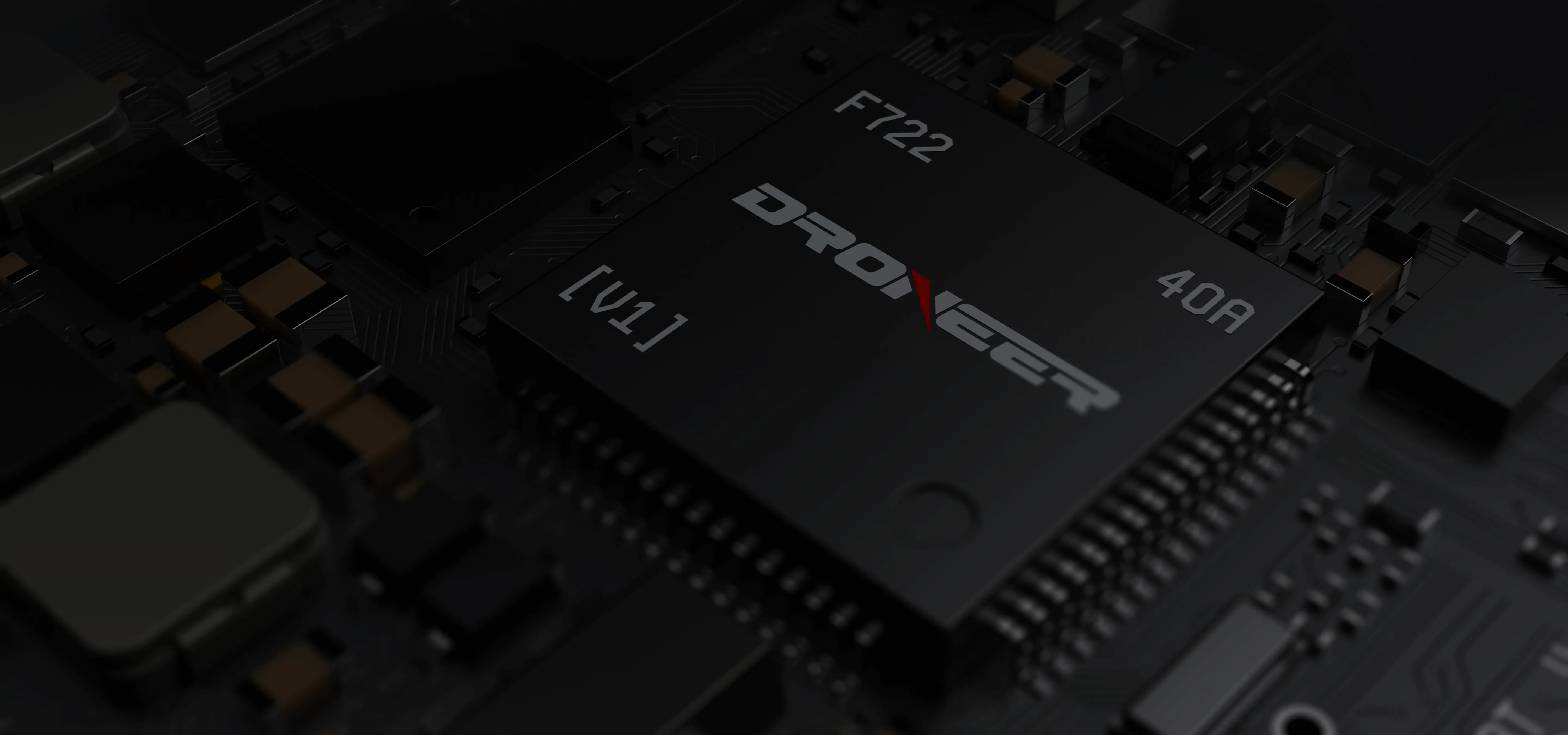
Fig.3 Droneer C2501 F722 40A integrated ESC
Battery Compatibility
Different models of Cinewhoop drones are compatible with different battery configurations, and the type of battery you choose will directly affect your flying experience. The most common batteries used in these FPV drones are 4S or 6S lithium-polymer (LiPo) batteries. Choosing a model that supports your preferred battery type will help you strike a balance between flight time, power output, and overall weight.
Easy Maintenance
Crashing is a very common occurrence when flying FPV drones, even when you’ve ensured the frame and protective covers are sturdy. Therefore, in addition to the key features we mentioned above, your Cinewhoop should also be easy to repair, with replaceable propeller guards, modular electronics, and a wide range of readily available accessories.
Upgradeability
As your skills improve, you may want to upgrade your camera system, receiver, video transmitter, or other components. A cinewhoop with a modular design gives you the flexibility to enhance performance without replacing the entire drone.
5 Top Cinewhoop FPV Drone Recommendations
Now that you know which features matter most, here are five popular cinewhoop FPV drones worth considering. These models are suitable for different skill levels and budgets, from beginner-friendly options to professional cinematic platforms.
1. DJI Avata 2
Designed with flexibility in mind, the DJI Avata 2 is an ideal tool for videographers, especially those who want to avoid the complexity of traditional FPV drones. Its ability to hover in place and its tiltable camera give it greater versatility than typical custom FPV drones, making it an excellent choice for aerial photography.
Pros: Very easy to fly, Excellent image quality, Safety features ideal for beginners
Cons: Limited freestyle performance, Closed DJI ecosystem
Best for: Beginners & cinematic flying

Fig.4 DJI Avata 2
2. GEPRC Cinebot35
The all-new Cinebot35 is not just an evolution in size — it represents a complete integration of advanced flight concepts. Designed for both professional cinematic shooting and daily freestyle flying, GEPRC engineers have developed a brand-new solution that balances power, stability, and versatility.
Pros: Excellent cinematic stability, Powerful enough for action camera setups, Durable construction, Suitable for both beginners and experienced pilots
Cons: Larger size compared with 2.5-inch cinewhoops, Higher cost than entry-level models
Best For: Cinematic creators, Real estate and event filming, Pilots upgrading from smaller cinewhoops
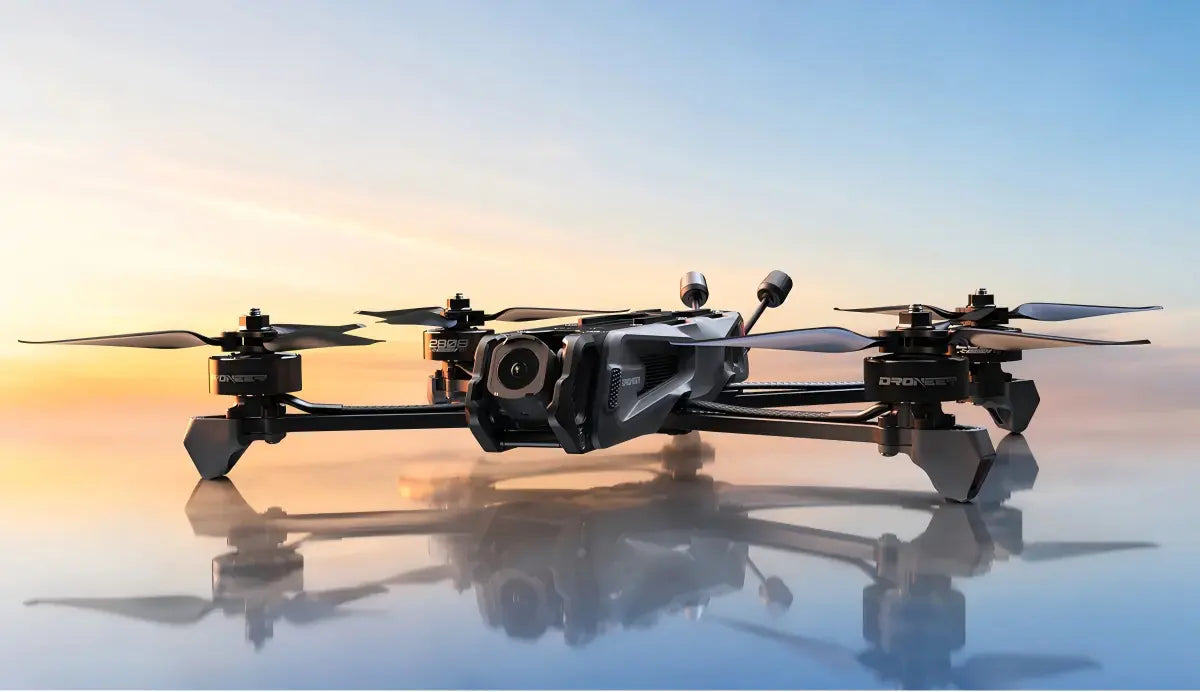
3. Droneer C2501
The Droneer C2501 is an ultra-lightweight, palm-sized quadcopter designed for creators pursuing cinematic-quality visuals. It excels at both stable indoor filming and exhilarating outdoor flight, delivering seamless, one-take flight experiences with effortless control.
Pros: Compact and easy to carry, Great video quality for its size, Beginner-friendly design, Suitable for indoor and outdoor shooting
Cons: Limited payload capacity compared with larger cinewhoops, Less powerful for aggressive freestyle flying
Best For: Travelers, Beginners, Social media creators, Indoor cinematic shots
4. BetaFPV Pavo20 Pro II
The 2.2" BetaFPV Pavo20 Pro II redefines lightweight freestyle performance, now offering seamless compatibility with both the DJI O4 at 79g and O4 Pro at 107.7g. This next-generation model introduces the upgraded II Frame with a supported structure and 4-screw assembly for enhanced rigidity and easier building, alongside a new integrated RGB LED strip for improved visibility and style.
Pros: Extremely lightweight and portable, Compatible with DJI O4/O4 Pro digital systems, Strong thrust-to-weight ratio, Durable upgraded frame design, Excellent maneuverability for a small cinewhoop
Cons: Shorter flight time due to its compact battery size, Not ideal for carrying heavy action cameras, Requires more flying skill compared with DJI-style beginner drones
Best For: Intermediate FPV pilots, Pilots who want cinematic shots with freestyle capability, Travelers who prioritize portability, DJI O4 users looking for a compact platform

Fig.5 BetaFPV Pavo20 Pro II
5. SpeedyBee Bee25
The SpeedyBee Bee25 is a compact 2.5-inch cinewhoop designed for pilots who want a lightweight drone with strong cinematic performance. Its protective frame, DJI O3 compatibility, and efficient power system make it a versatile option for both beginners and experienced FPV pilots.
Pros: Lightweight design with good portability, Durable protective frame for safer flying, Supports DJI O3 Air Unit for high-quality video, Good balance between stability and agility, Suitable for indoor and outdoor cinematic shots
Cons: Limited payload capacity compared with larger cinewhoops, Less powerful in windy conditions, Requires separate FPV equipment depending on configuration
Best For: Beginners learning cinematic FPV, Travel creators who need a compact drone, Pilots looking for a sub-250g cinewhoop platform, Social media content creators
Conlusion
Choosing the right cinewhoop is not just about finding the most powerful or expensive drone. The best cinewhoop should match your flying goals, whether you are a beginner learning FPV, a content creator capturing cinematic footage, or an experienced pilot looking for a compact and reliable platform.
Key factors such as propeller protection, camera quality, motor performance, flight time, durability, and upgrade options all play an important role in the overall flying experience. A well-balanced cinewhoop can provide smoother footage, safer flights, and better long-term value.
Before making a purchase, consider where you plan to fly, what type of footage you want to capture, and how much room you need for future upgrades. By focusing on the features that matter most, you can choose a cinewhoop that not only meets your current needs but also grows with your FPV journey.

Leave a comment
This site is protected by hCaptcha and the hCaptcha Privacy Policy and Terms of Service apply.